
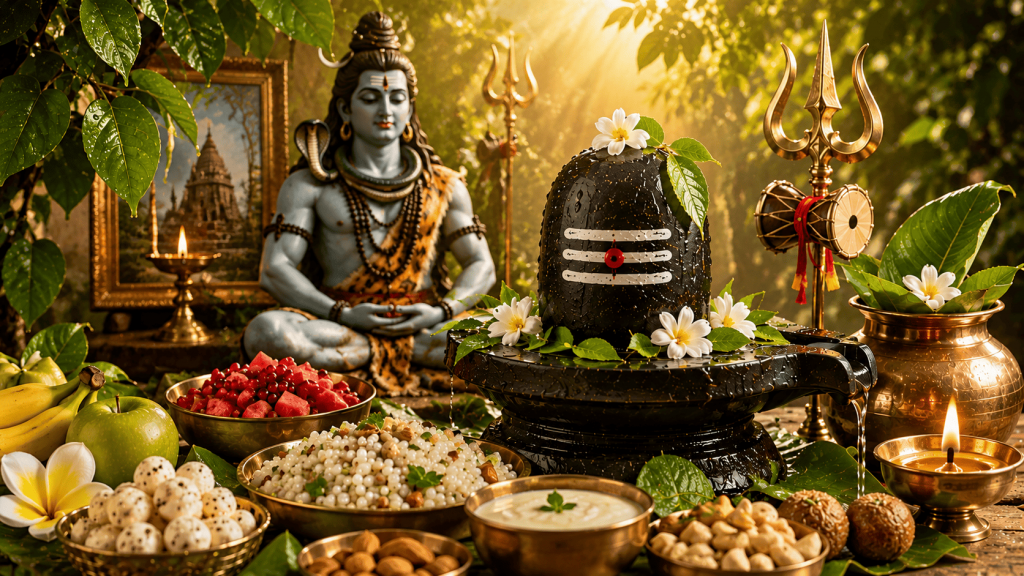
Sawan Fasting Rules: What to Eat and What to Avoid During Shravan Vrat
30 June 2026 by admin

Sawan Fasting Rules: What to Eat and What to Avoid During Shravan Vrat
Sawan Fasting Rules – The holy month of Sawan (Shravan) is one of the most auspicious periods in the Hindu calendar, especially for devotees of Lord Shiva. During this sacred month, millions of people observe the Sawan Vrat (Shravan Fast) to seek the blessings of Mahadev for health, prosperity, spiritual growth, and inner peace. The Mondays of Sawan, known as Sawan Somwar, are particularly significant, and many devotees observe fasting on these days while performing Shiva Puja and chanting “Om Namah Shivaya.”
If you are planning to observe the Sawan fast in 2026, it is important to understand the Sawan fasting rules, including what foods are allowed, what to avoid, and how to observe the vrat with devotion and discipline. This complete guide explains everything you need to know.
Why Do People Observe the Sawan Fast?
The month of Sawan is dedicated to Lord Shiva. According to Hindu beliefs, observing a fast during Shravan helps devotees purify their mind and body while strengthening their spiritual connection with Mahadev.
Many devotees observe the Sawan fast for:
- Seeking Lord Shiva’s blessings
- Peace, prosperity, and happiness
- Good health and mental well-being
- A harmonious married life
- Success in career and personal life
- Spiritual discipline and self-control
Fasting during Sawan is not only a religious practice but also an opportunity to develop patience, gratitude, and devotion.
General Sawan Fasting Rules
Before beginning the Sawan Vrat, devotees should follow a few traditional guidelines:
1. Begin the Day with a Holy Bath
Wake up early, preferably before sunrise, and take a bath. Wear clean or freshly washed clothes, preferably in light colors. Many devotees choose white or saffron attire during Shiva worship.
2. Perform Shiva Puja
Offer prayers to Lord Shiva by performing Jal Abhishek on the Shivling. Devotees commonly offer:
- Water or Ganga Jal
- Milk
- Bel Patra
- Dhatura
- Bhang (where traditionally practiced)
- White flowers
- Sandalwood paste
Chanting “Om Namah Shivaya” or the Mahamrityunjaya Mantra is considered highly auspicious.
3. Observe the Fast with Devotion
Depending on family traditions and personal preference, devotees may observe:
- Nirjala Vrat (without food and water)
- Water-only fast
- Fruit fast (Phalahar)
- One-meal fast
- Satvik fasting
Choose the method that suits your health and ability. If you have any medical condition, consult a healthcare professional before undertaking a strict fast.
What to Eat During Sawan Fast
Eating satvik and light foods is an important part of the Sawan Vrat. The focus is on purity, simplicity, and nourishment.
Fruits
Fresh fruits are one of the best choices during fasting, including:
- Bananas
- Apples
- Papaya
- Pomegranate
- Grapes
- Oranges
- Watermelon
- Muskmelon
These provide natural energy and help maintain hydration.
Dairy Products
Milk and dairy products are widely consumed during the fast.
Allowed options include:
- Milk
- Curd
- Buttermilk
- Paneer
- Homemade lassi
These foods provide protein and calcium while keeping the body energized.
Fasting Flours
Many households prepare dishes using vrat-approved flours such as:
- Singhara (Water Chestnut Flour)
- Kuttu (Buckwheat Flour)
- Rajgira (Amaranth Flour)
These can be used to prepare puris, rotis, pakoras, or pancakes.
Sabudana
Sabudana is among the most popular fasting foods.
Popular dishes include:
- Sabudana Khichdi
- Sabudana Vada
- Sabudana Kheer
It is rich in carbohydrates and provides sustained energy during fasting.
Dry Fruits and Nuts
Dry fruits are excellent for maintaining energy levels.
Recommended options:
- Almonds
- Cashews
- Walnuts
- Raisins
- Pistachios
- Dates
- Figs
Consume them in moderation.
Vegetables Allowed During Vrat
Depending on regional customs, the following vegetables are commonly consumed:
- Potato
- Sweet Potato
- Pumpkin
- Bottle Gourd (Lauki)
- Cucumber
- Raw Banana
- Arbi (Colocasia)
Avoid onion and garlic, as they are generally not considered satvik.
Rock Salt (Sendha Namak)
Only Sendha Namak (Rock Salt) is traditionally used during fasting. Regular table salt is usually avoided.
Healthy Drinks
Stay hydrated with:
- Coconut Water
- Lemon Water (with rock salt if permitted)
- Fresh Fruit Juice (without refined sugar)
- Buttermilk
- Milk
- Herbal drinks
What to Avoid During Sawan Fast
Following the dietary restrictions is an important aspect of the vrat.
Non-Vegetarian Food
Avoid:
- Meat
- Fish
- Eggs
These foods are not consumed during the sacred month by those observing the fast.
Onion and Garlic
Onion and garlic are generally excluded from satvik meals because they are traditionally believed to stimulate the senses.
Alcohol and Tobacco
Devotees avoid:
- Alcohol
- Cigarettes
- Tobacco products
Maintaining physical and mental purity is considered an essential part of the vrat.
Processed and Junk Food
Avoid:
- Packaged snacks
- Fast food
- Deep-fried processed foods
- Carbonated soft drinks
Instead, choose fresh and homemade meals.
Regular Wheat Flour and Rice
Many fasting traditions avoid:
- Wheat flour
- Regular rice
- Maida
However, practices differ across regions and families.
Excess Tea and Coffee
Although some people consume tea or coffee during fasting, it is advisable to limit caffeine and instead focus on water, milk, and natural beverages.
Foods Commonly Prepared During Sawan Vrat
Popular fasting dishes include:
- Sabudana Khichdi
- Kuttu Puri
- Singhara Paratha
- Rajgira Roti
- Lauki Sabzi
- Sweet Potato Chaat
- Fruit Salad
- Makhana Kheer
- Sabudana Kheer
- Peanut Chutney
- Potato Curry
- Curd with Fruits
These meals are filling, nutritious, and suitable for vrat.
Spiritual Benefits of Sawan Fasting
According to Hindu beliefs, observing the Sawan fast with sincerity may help devotees receive:
- Lord Shiva’s blessings
- Mental peace
- Spiritual growth
- Better concentration
- Self-discipline
- Inner strength
- Family happiness
- Prosperity and success
Fasting is also seen as a way to practice gratitude, mindfulness, and devotion.
Health Tips While Observing Sawan Fast
To ensure a healthy fasting experience:
- Drink enough water unless observing a strict Nirjala fast.
- Include fruits and dairy products to maintain energy.
- Avoid overeating after breaking the fast.
- Eat fresh, homemade satvik meals.
- Rest if you feel tired or dizzy.
- If you are pregnant, elderly, diabetic, or have any medical condition, consult your doctor before fasting.
Remember that devotion is considered more important than the strictness of the fast. Observing the vrat in a way that is safe for your health is always advisable.
Common Mistakes to Avoid During Sawan Vrat
Many devotees unintentionally make mistakes while fasting.
Avoid these common errors:
- Skipping water without proper preparation.
- Eating excessive fried fasting foods.
- Overeating after breaking the fast.
- Ignoring hydration.
- Consuming packaged fasting snacks high in sugar and salt.
- Neglecting rest and proper nutrition.
- Focusing only on dietary restrictions while overlooking prayer, meditation, and good conduct.
A balanced approach helps make the vrat spiritually meaningful and physically sustainable.
Conclusion
The Sawan fast is much more than avoiding certain foods. It is a sacred practice that combines faith, devotion, discipline, and self-control. By following the traditional Sawan fasting rules, consuming wholesome satvik foods, and avoiding foods that are traditionally restricted, devotees can observe the Shravan Vrat with sincerity while maintaining their health.
Whether you choose a full-day fast, a fruit-based fast, or a simple satvik meal, the true essence of Sawan lies in remembering Lord Shiva, practicing kindness, maintaining purity of thought, and living with gratitude.
May Lord Shiva bless you with happiness, good health, prosperity, and spiritual strength during the holy month of Sawan 2026.
Har Har Mahadev!
Disclaimer: This article is intended for informational and educational purposes only and is based on traditional Hindu beliefs, scriptures, and cultural practices associated with the holy month of Sawan (Shravan). Rituals, fasting rules, and customs may vary by region, family tradition, and personal faith. Readers are encouraged to follow the guidance of their family elders, local temple, or spiritual guru where applicable. If you have any medical conditions, are pregnant, elderly, or taking medication, please consult a qualified healthcare professional before observing any fast. The information provided is not a substitute for medical, religious, or professional advice.