
Nag Panchami 2026: Date, Puja Vidhi, Katha & History
30 June 2026 by admin

Nag Panchami 2026: Date, Puja Vidhi, Katha, History & Significance
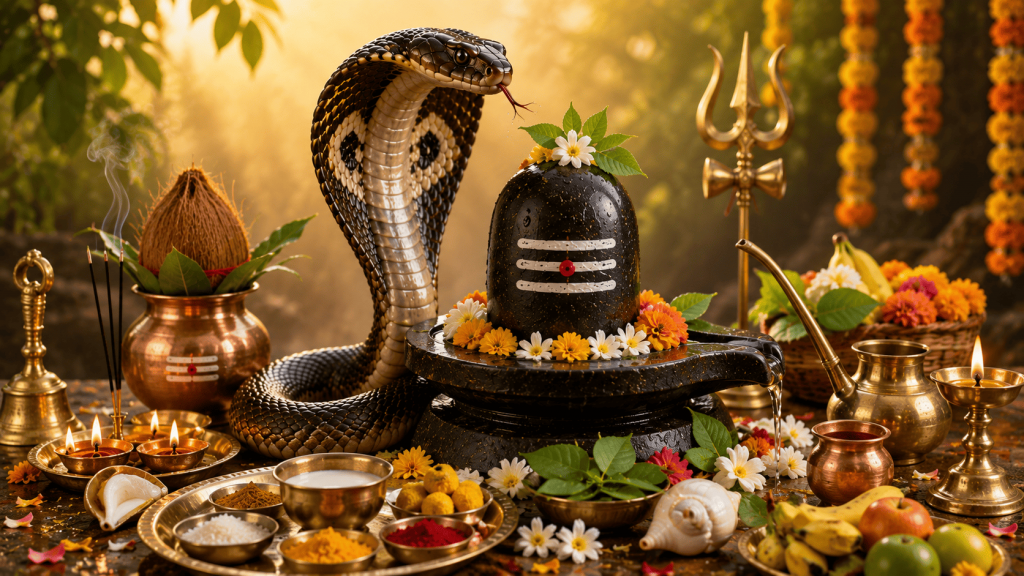
Nag Panchami is one of the most sacred Hindu festivals dedicated to the worship of Nag Devtas (serpent deities). Celebrated during the holy month of Sawan (Shravan), this festival symbolizes protection, prosperity, fertility, and harmony between humans and nature. Devotees offer milk, flowers, turmeric, and prayers to snake idols and visit Shiva temples to seek the blessings of Lord Shiva, who is often depicted with a serpent around his neck.
In Nag Panchami 2026, millions of devotees across India will celebrate this auspicious day with great faith and devotion. The festival is especially popular in states like Uttar Pradesh, Maharashtra, Karnataka, Gujarat, Rajasthan, Madhya Pradesh, Bihar, and West Bengal.
If you’re looking to understand the history of Nag Panchami, its celebration, rituals, Katha (legend), and religious significance, this complete guide has everything you need to know.
What is Nag Panchami?
Nag Panchami is a Hindu festival observed on the fifth day (Panchami Tithi) of the bright fortnight (Shukla Paksha) in the month of Shravan (Sawan). The festival is dedicated to the worship of snakes, who are considered sacred in Hinduism.
Unlike many other cultures where snakes are feared, Hindu traditions regard them as protectors of nature, fertility, water sources, and hidden treasures. They are also closely associated with Lord Shiva, Lord Vishnu, and Lord Krishna.
Nag Panchami reminds devotees to respect all living beings and maintain harmony with nature.
History of Nag Panchami
The tradition of worshipping snakes dates back thousands of years in Indian civilization. Ancient scriptures such as the Mahabharata, Skanda Purana, Bhavishya Purana, and Garuda Purana mention the importance of serpent worship.
According to Hindu beliefs, several divine serpents play significant roles in mythology:
- Sheshnag – The king of serpents upon whom Lord Vishnu rests.
- Vasuki – The serpent used during Samudra Manthan.
- Takshaka – A powerful serpent king mentioned in the Mahabharata.
- Karkotaka
- Padma
- Mahapadma
- Kulika
- Ananta
These divine Nagas are believed to protect devotees from negative energies and natural calamities.
Nag Panchami Katha (Legend)
One of the most popular stories associated with Nag Panchami is about a farmer.
Once, a farmer was ploughing his field when his plough accidentally killed several baby snakes. Their mother became furious and, in anger, bit the farmer and his family.
However, the farmer’s daughter was a kind-hearted devotee. She respectfully worshipped the serpent goddess with milk and flowers and prayed sincerely for forgiveness.
Pleased with her devotion, the serpent goddess revived the farmer and his entire family.
This legend teaches an important lesson:
- Respect every living creature.
- Avoid harming animals.
- Compassion and devotion always triumph over anger.
Another famous legend is related to Lord Krishna defeating the poisonous serpent Kaliya in the Yamuna River. After subduing Kaliya, Krishna forgave him and allowed him to leave peacefully, symbolizing mercy and the victory of righteousness over evil.
Religious Significance of Nag Panchami
Nag Panchami holds immense spiritual importance in Hinduism.
1. Worship of Nature
Snakes play an essential role in maintaining ecological balance by controlling rodent populations. The festival promotes environmental awareness and respect for wildlife.
2. Connection with Lord Shiva
Lord Shiva is known as Nagendra, the Lord who adorns a serpent around his neck. Worshipping snakes during Sawan is believed to please Lord Shiva.
3. Protection from Negative Energies
Devotees believe that worshipping Nag Devtas protects the family from:
- Snake bites
- Fear
- Evil influences
- Financial difficulties
- Health problems
4. Blessings for Prosperity
Nag Devtas are considered guardians of wealth and fertility. Their blessings are believed to bring happiness, prosperity, and family well-being.
Nag Panchami 2026 Celebration
Nag Panchami is celebrated with great devotion across India.
On this day, devotees wake up early, take a holy bath, wear clean clothes, and observe fasting. Homes and temples are decorated with flowers, rangoli, and lamps.
Many devotees visit Shiva temples where special Abhishek ceremonies are performed using:
- Milk
- Water
- Honey
- Ghee
- Curd
- Ganga Jal
- Bel Patra
People also worship clay or silver snake idols. In villages, traditional snake charmers sometimes bring live snakes for worship, although wildlife experts strongly discourage this practice to protect animals.
The day concludes with prayers, devotional songs, and the distribution of prasad.
Nag Panchami Puja Vidhi
Following the proper rituals is believed to bring divine blessings.
Early Morning Bath
Devotees wake before sunrise and take a sacred bath.
Observe Fast
Many devotees observe a full-day or partial fast and consume only satvik food.
Draw Snake Symbols
Families draw images of serpents at the entrance of their homes using turmeric, sandalwood, or cow dung.
Offer Milk and Flowers
Milk, turmeric, kumkum, flowers, sweets, and incense are offered to Nag Devtas.
Chant Mantras
Popular mantras include:
- Om Namah Shivaya
- Om Namo Bhagavate Vasudevaya
- Nag Gayatri Mantra
- Sarpa Sukta
Visit Shiva Temple
Most devotees perform Jal Abhishek on the Shivling and offer Bel Patra.
Donate Food
Giving food and charity to the needy is considered highly auspicious.
Why is Nag Panchami Celebrated During Sawan?
The month of Sawan is dedicated to Lord Shiva.
According to tradition:
- Lord Shiva wears Vasuki around his neck.
- Rainy weather increases snake activity.
- Worshipping snakes promotes coexistence instead of fear.
- Sawan is regarded as the holiest month for spiritual practices.
Thus, Nag Panchami naturally became an important festival during Shravan.
Foods Prepared During Nag Panchami
After completing the fast, families prepare delicious satvik dishes such as:
- Kheer
- Puri
- Halwa
- Malpua
- Puran Poli
- Sabudana Khichdi
- Fruits
- Panchamrit
Regional traditions may vary, but vegetarian food is generally preferred.
Do’s and Don’ts on Nag Panchami
Do
- Worship Lord Shiva.
- Offer prayers with devotion.
- Observe cleanliness.
- Respect nature.
- Donate food and clothes.
- Chant Shiva mantras.
Don’t
- Harm snakes or other animals.
- Disturb wildlife.
- Consume non-vegetarian food if observing the fast.
- Use plastic near temples or water bodies.
- Force-feed milk to live snakes, as it can be harmful to them.
Spiritual Benefits of Celebrating Nag Panchami
According to Hindu beliefs, observing Nag Panchami with sincerity may help devotees receive:
- Lord Shiva’s blessings
- Peace and prosperity
- Protection from fear and obstacles
- Family harmony
- Better health
- Spiritual growth
- Relief from certain astrological challenges associated with serpent symbolism
Frequently Asked Questions (FAQs)
1. When is Nag Panchami in 2026?
Nag Panchami in 2026 will be celebrated on the fifth day (Panchami Tithi) of the Shukla Paksha in the month of Shravan (Sawan). Devotees observe the festival by worshipping Nag Devtas and offering prayers to Lord Shiva.
2. Why is Nag Panchami celebrated?
Nag Panchami is celebrated to honor Nag Devtas (serpent deities) and seek blessings for protection, prosperity, good health, and harmony with nature. The festival also symbolizes respect for all living beings and has a strong connection with Lord Shiva.
3. What is the significance of Nag Panchami?
Nag Panchami holds great religious significance because snakes are considered sacred in Hinduism. Worshipping Nag Devtas is believed to remove obstacles, protect against negative energies, and bring peace, prosperity, and spiritual well-being.
4. What is the story (Katha) behind Nag Panchami?
The most popular Nag Panchami Katha tells the story of a farmer whose family was forgiven and revived by a serpent goddess after his daughter sincerely worshipped her with devotion. Another famous legend is Lord Krishna’s victory over the serpent Kaliya, symbolizing the triumph of righteousness over evil.
5. How is Nag Panchami celebrated?
On Nag Panchami, devotees observe a fast, visit Shiva temples, perform Jal Abhishek on the Shivling, worship snake idols, offer milk, flowers, turmeric, and sweets, chant Shiva mantras, and pray for prosperity and protection.
6. What are the rituals of Nag Panchami?
The main rituals include taking a holy bath, observing a fast, drawing serpent symbols at home, offering prayers to Nag Devtas, performing Shiva Puja, chanting mantras, and distributing prasad after the worship.
7. Why are snakes worshipped on Nag Panchami?
In Hinduism, snakes symbolize power, fertility, protection, and wisdom. They are closely associated with Lord Shiva and Lord Vishnu. Worshipping snakes also reflects gratitude toward nature and promotes coexistence with wildlife.
8. Can women observe the Nag Panchami fast?
Yes. Both men and women can observe the Nag Panchami fast. Married women often pray for the well-being and long life of their families, while unmarried women seek happiness and a blessed future.
9. What should be offered during Nag Panchami Puja?
Devotees typically offer milk (to symbolic idols rather than live snakes), water, turmeric, kumkum, flowers, Bel Patra (during Shiva Puja), fruits, sweets, incense, and lamps. Using clay or metal snake idols is encouraged over interacting with wild snakes.
10. What foods are eaten after the Nag Panchami fast?
After completing the fast, devotees usually eat satvik foods such as kheer, puri, halwa, sabudana khichdi, fruits, panchamrit, and other vegetarian dishes prepared according to regional traditions.
11. What should you avoid on Nag Panchami?
On Nag Panchami, devotees avoid harming snakes or any wildlife, consuming non-vegetarian food if observing the fast, and performing activities that disrespect nature or religious traditions. It is also advised not to force-feed milk to live snakes.
12. What is the connection between Nag Panchami and Lord Shiva?
Lord Shiva is depicted with the serpent Vasuki around his neck, symbolizing mastery over fear and ego. Since Nag Panchami falls during the holy month of Sawan, worshipping Nag Devtas alongside Lord Shiva is considered especially auspicious.
Conclusion
Nag Panchami is much more than a festival dedicated to snakes. It is a celebration of faith, compassion, environmental harmony, and devotion to Lord Shiva. The festival teaches us to respect every living being and recognize the divine presence in nature.
As devotees celebrate Nag Panchami 2026, they pray for happiness, prosperity, protection, and spiritual well-being. Whether you observe the fast, perform Shiva Puja, or simply learn about the traditions, the festival offers an opportunity to strengthen your connection with spirituality and the natural world.
May Nag Devtas and Lord Shiva bless you and your family with health, peace, prosperity, and success. Har Har Mahadev!
Disclaimer: This article is published for informational, cultural, and devotional purposes only. Religious beliefs, rituals, festival dates, and traditions may vary by region and community. Please consult your local Panchang or a qualified priest for specific guidance. Bharat Bhakti Sangam does not promote harm to wildlife or unsafe religious practices and encourages respect for nature and all living beings.